

Dear readers,
Last week was quite a week during in the legislature. A couple highlights from hearings that may be interesting to you.
HB152 - Education Tax
Here’s a brief summary of the bill that may not be apparent from the discussion.
Taxable Income from Partnerships and S-Corporations
In the proposed Alaska income tax bill (HB 152), taxable income from partnerships and S-corporations is adjusted proportionally based on a partner's distributive share or a shareholder's pro rata share, mirroring federal income tax rules (Sec. 43.22.035). Adjustments under AS 43.22.030 apply, and income retains its federal character. If not separately accounted for federally, shares are determined by the partner's or shareholder's proportion of income/losses. Special allocations in partnership agreements are disregarded if primarily aimed at evading state tax.
For nonresidents, taxable income includes a partner's distributive share or S-corp shareholder's pro rata share of Alaska-sourced income, as governed by department regulations (Secs. 43.22.045, .050). Partnerships must withhold tax on nonresident partners' Alaska-sourced shares at the highest marginal rate (Sec. 43.22.085). Personal service corporations or S-corps used to evade tax may have income reallocated to employee-owners (Sec. 43.22.065).
Definitions align with federal law: "partnership" includes LLCs treated as such; "S corporation" refers to entities electing under 26 U.S.C. 1361-1379 (Sec. 43.22.150).
Taxable Income from Estates, Trusts, or Beneficiaries
Tax is imposed on resident and nonresident trusts/estates at $150 plus 4% on income over $150,000, based on federal adjusted gross income with state adjustments (Secs. 43.22.020, .030, .040). Nonresident estates/trusts are taxed only on Alaska-sourced income. Exemptions apply to trusts with nonresident trustees, out-of-state corpus, and no Alaska income; tax-exempt trusts; or special needs trusts for disabled beneficiaries.
Taxable income for estates/trusts is calculated as if they were individuals, reduced by beneficiary distributions under 26 U.S.C. 661. Allocations between the entity and beneficiaries are proportional or per regulations. Provisions evading tax are ignored.
Nonresident beneficiaries include distributions as Alaska-sourced income, treated as if earned directly; regulations ensure consistency (Secs. 43.22.045, .055). Part-year residents sum resident-period income and nonresident Alaska-sourced income (Sec. 43.22.060).
Residency definitions hinge on decedent/settlor residence, trust irrevocability, and administration under state law (Sec. 43.22.150). Overall, the bill ties state taxation to federal frameworks while emphasizing anti-evasion measures and source-based rules for nonresidents.
Visit our website at www.mustreadalaska.com. Also find us on X and Facebook.

Table of Contents
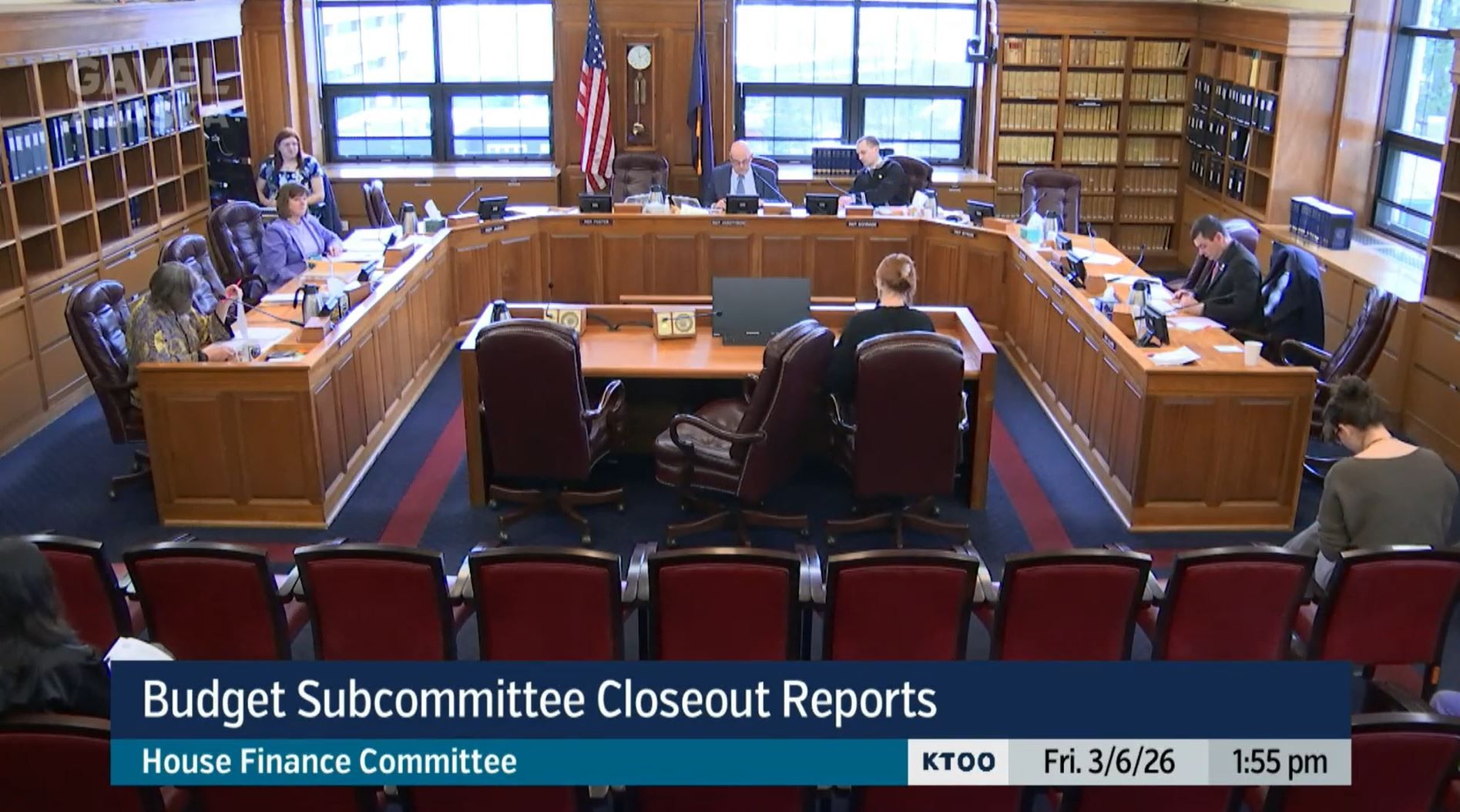
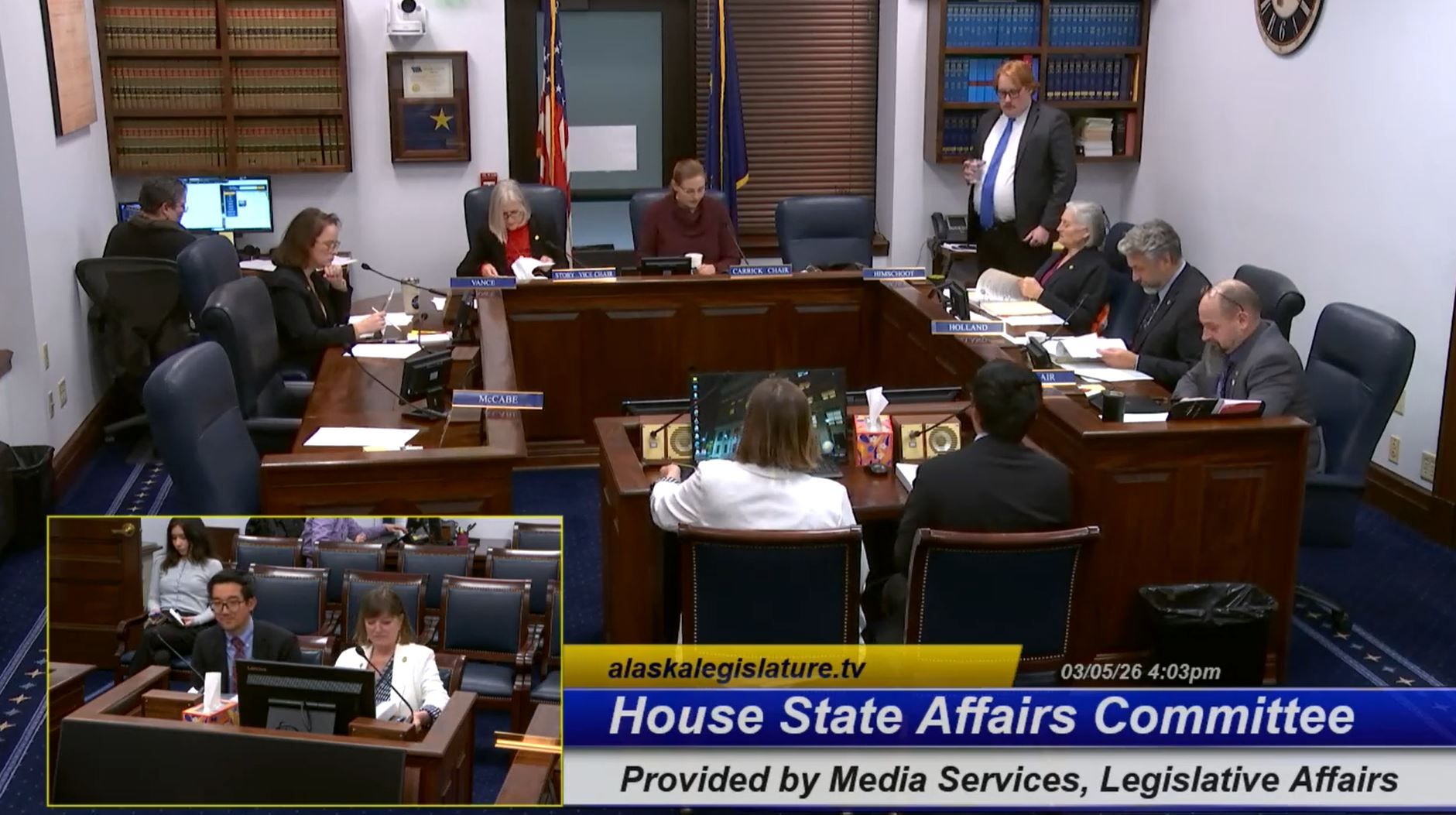
Alaska House


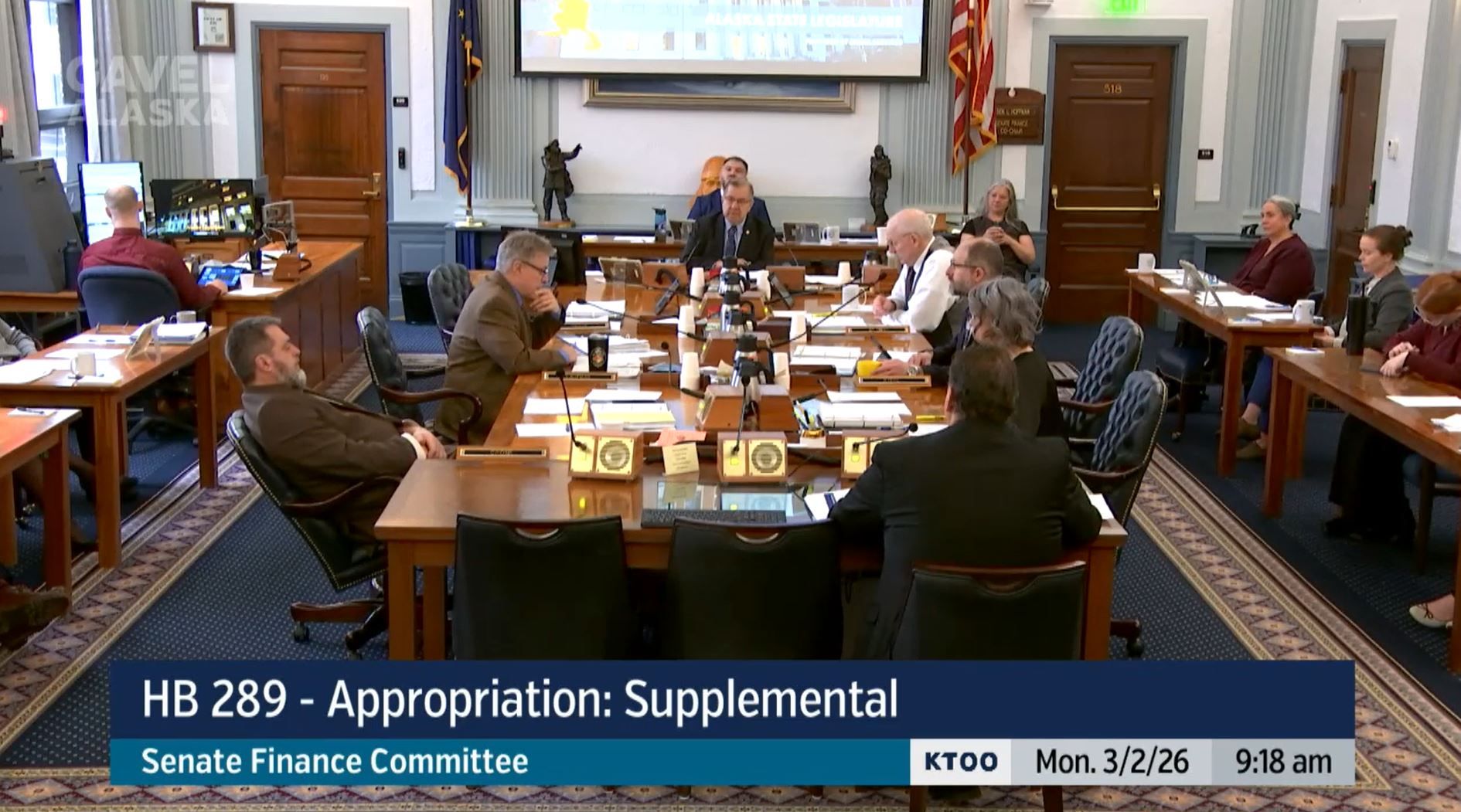
Alaska Senate


Analysis and Commentary


Facts and Figures

Alaska’s Largely Untapped Resource
Alaska’s lands contain nearly half of U.S. coal reserves. However, with only one operating mine (Usibelli Coal Mine), Alaska ranks 20th in the nation among coal suppliers.
President Trump was recently honored by Lower 48 coal miners as “The undisputed champion of beautiful, clean coal.”

Key Industry Numbers
Alaska Oil: $78.95 per barrel
Alaska Residential Gas Price: $12.80/kcf
Henry Hub Weekly Spot: $3.01/mmBTU
Alaska North Slope Production: 472,803 barrels per day
Permanent Fund (Principal + Earnings Reserve): ~$89.3 billion
Must Read Alaska Show
We hope to get our podcast back up and running in the near future. Plus, we are continuing to develop our sortable audio-files for easy listening of or stories.


Submit Your Feedback
Do you have story ideas? Do you want to submit an op-ed for consideration? Or perhaps you have feedback for us on how we can improve your experience. If that’s you, please reach out to us at [email protected]. We love to hear from our readers!
Thank you for reading! Until next time,
The MRAK Team
A Force for Good